Using Aluminum Smelting to Understand Biotech Converts
In 2002, after the tech bubble had burst, I was in Boston meeting with a clinical-stage biotech client.
The company had reported a setback in one of its 12 clinical and preclinical programs. Now, shareholders were calling the CEO about convertible debt that would not mature for years.
He asked why.
I said, “When you issued the convertibles, you brought a large block of your critical raw material, cash, into inventory. At the same time, you shorted it in the futures market. The delivery dates are public. The market just lost confidence that you could cover the short through conversion.”
“Just as an aluminum smelter is worthless without a continuous supply of alumina, the value of your in-process R&D just dropped.”
The framework was classic industrial organization.
The inputs to production are land, labor, and capital, plus raw material.
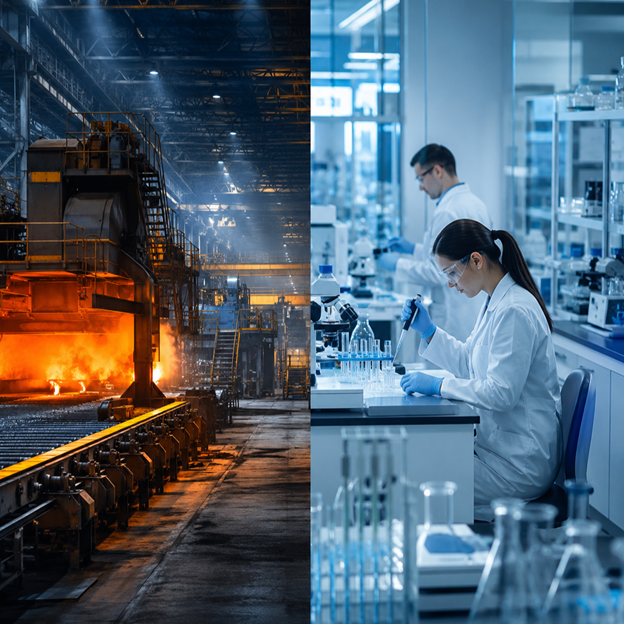
The smelter is single-purpose capital stock.
In biotech, land is the laboratory. Labor is the scientists.
The capital stock is in-process R&D. Because it cannot be sold for anything close to invested capital, it is also largely single-purpose.
The raw material is the cash a biotech burns to manufacture clinical progress.
But cash needed to deliver against the short will take precedence over cash burned for development.
Without continued access to more cash, that capital stock, like the smelter, may have little alternate market value.
When I was trading the early biotech converts issued by Genentech, Amgen, and Biogen, their clinical success made convertibles appear to be a credible financing choice. What many later issuers overlooked was how much time those terms allowed for clinical success before maturity. Genentech and Amgen had fifteen-year terms, while Biogen’s convertible was a perpetual preferred.
Time was the trade.
For a pre-commercial biotech, convertible debt is not cheap capital.
It is a short position on the one raw material it cannot afford to have margin called.