Capital Structure Drift
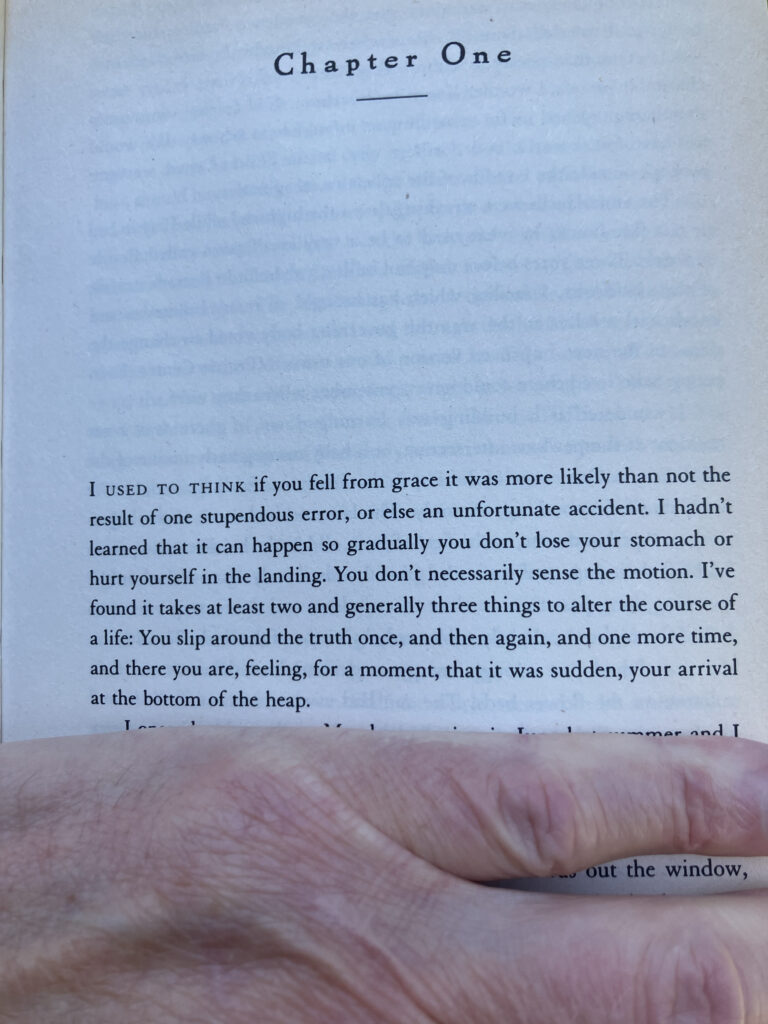
Years ago, on a Sunday morning flight home to San Francisco from LA, I opened a new novel I’d been looking forward to: 𝘈 𝘔𝘢𝘱 𝘰𝘧 𝘵𝘩𝘦 𝘞𝘰𝘳𝘭𝘥 by Jane Hamilton.
I started to read and then sat for a while with the book open on my lap. A woman across the aisle noticed the cover and told me she’d read it and loved it. We spent several minutes talking about the book before she asked how far along I was.
“One paragraph,” I said.
The part that stayed with me wasn’t the falling from grace.
It was “𝘠𝘰𝘶 𝘥𝘰𝘯’𝘵 𝘯𝘦𝘤𝘦𝘴𝘴𝘢𝘳𝘪𝘭𝘺 𝘴𝘦𝘯𝘴𝘦 𝘵𝘩𝘦 𝘮𝘰𝘵𝘪𝘰𝘯.”
Most capital structures don’t fail because of a bad decision. They can fail after one reasonable decision after another.
Each decision made sense in the pricing room.